The Missing Piece
Understanding Psychosis through Lived Experience
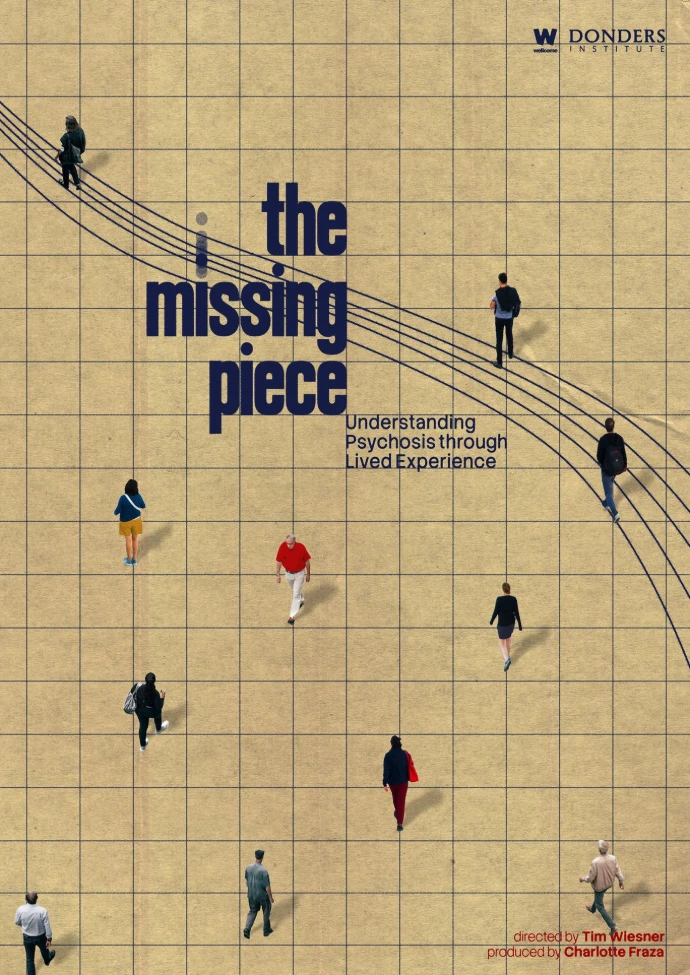
The 27-minute documentary "The Missing Piece: Understanding Psychosis through Lived Experience" was created in collaboration with researchers at the Donders Institute in Nijmegen, King's College London and Oslo's University Hospital.
Through the eyes of
David, a father of a daughter with psychosis, the film explores the tension between
scientific understanding and the lived reality of psychosis, uncovering
what both perspectives have overlooked. Together with David, the researchers of the PRECOGNITION project find ways to combine his lived experience with psychiatric research and advanced machine learning techniques.
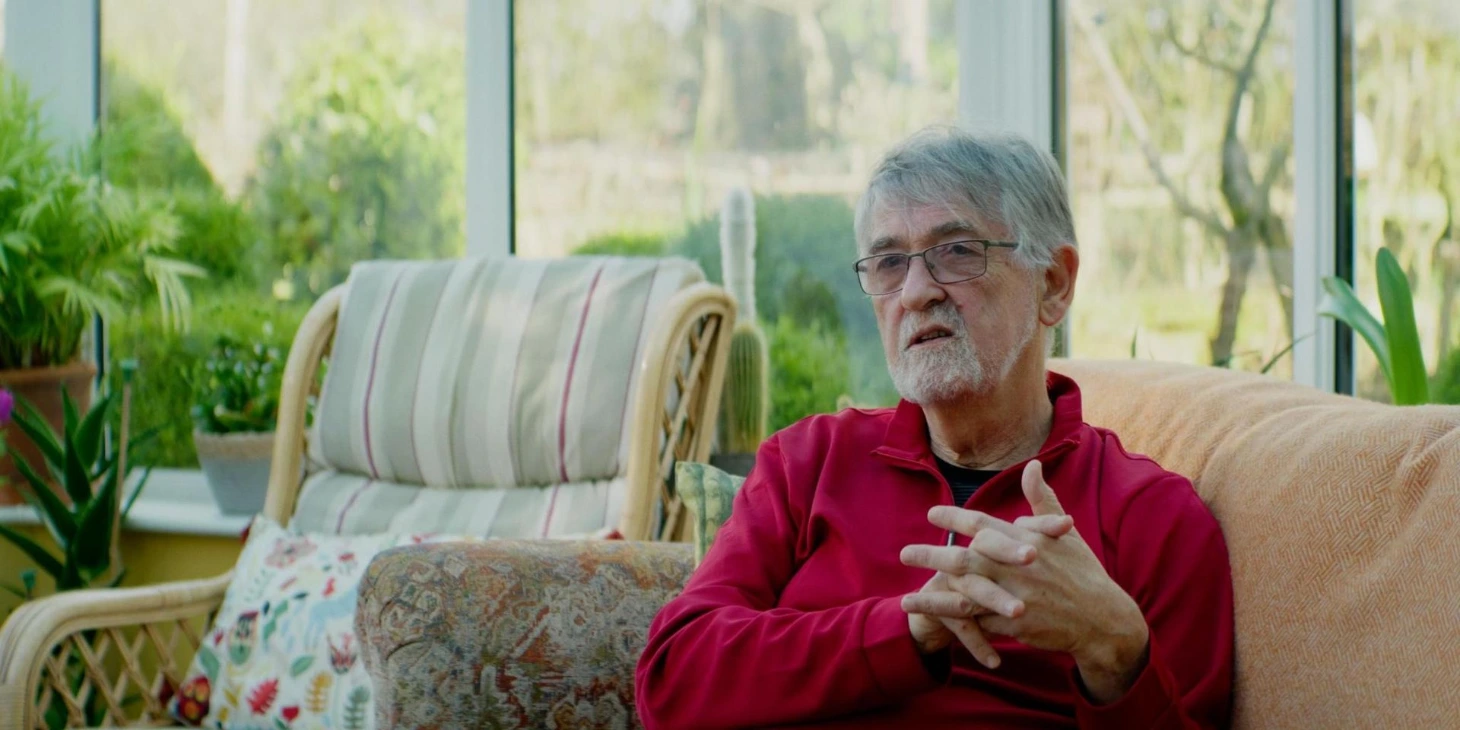
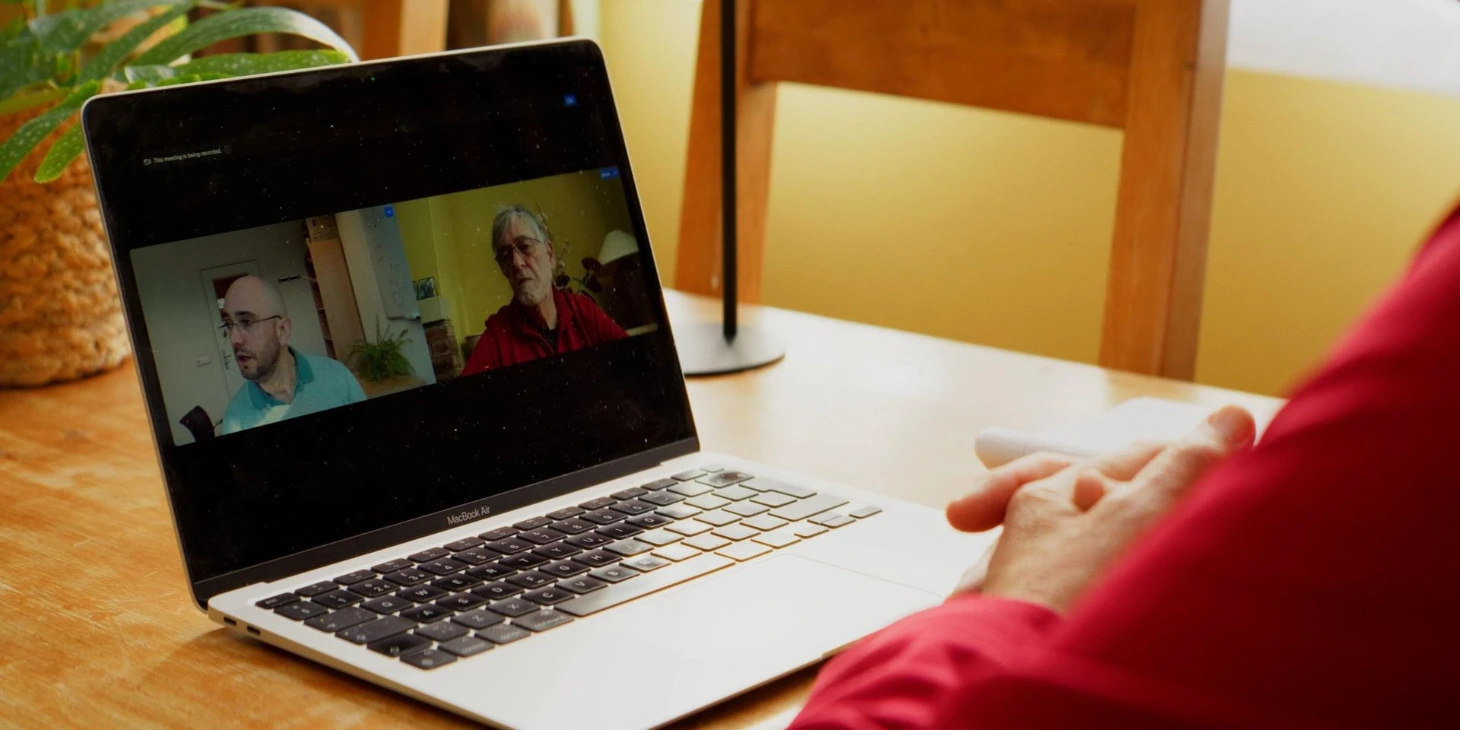
David, a retired GP from northern England, has spent decades navigating the British mental healthcare system after his daughter Mary was diagnosed with schizophrenia in her teens and experienced a severe form of schizophrenia. Now, he's part of the PRECOGNITION project - a European research consortium in the growing field of computational psychiatry, where AI and machine learning are used to find patterns in vast patient datasets that simple human observation alone might miss.
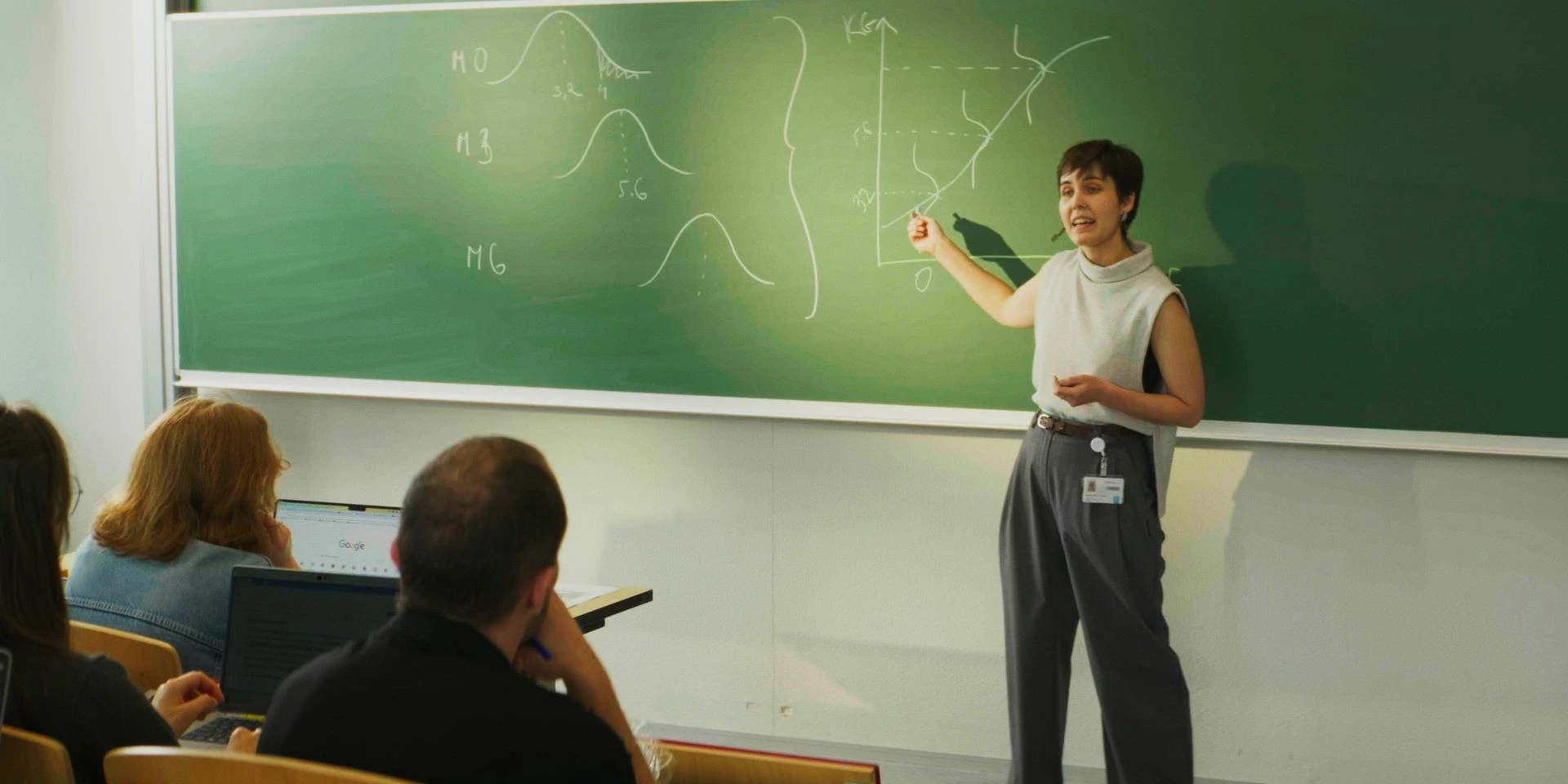
The research focuses on the cognitive abilities of patients with psychosis, which vary widely between individuals and might help us to predict which treatments will work for which patient. While scientists like André and Barbara in Nijmegen work on cognitive data from clinics across Europe and develop machine learning models, clinical researchers Paola, Giulia, and Torill in London and Oslo interview patients and families about these often-overlooked cognitive declines in patients. David, the team's "lived-experience expert," offers something neither data nor clinical training can provide, but struggles to grasp the abstract mathematics driving the project.
Through interview-driven sequences in research labs, universities and David’s home, the film reveals a productive tension: How do you bridge the world of algorithms and "numbers in big data tables" with the reality of people like Mary? Without relying on voiceover or explanatory graphics, the documentary lets audiences discover alongside David how this seemingly impossible collaboration creates indispensable understanding between science and the reality of patients and their families. The researchers learn to communicate their work differently; David discovers his irreplaceable contribution isn't understanding the math, but anchoring it to human meaning. The film itself becomes part of the research process, forcing conversations about what "lived experience" actually means, and what it can offer.